

Dementia Care and Support: Creating a Safe and Engaging Environment for Seniors

Dementia is a condition that involves a decline in cognitive function, affecting memory, thinking, reasoning, and behaviour. Individuals living with dementia may experience confusion about time and place, memory loss that disrupts daily life, mood changes, and difficulty managing everyday tasks.
It is important for families and caregivers to recognise these symptoms early and seek appropriate dementia care and support.
Dementia is not a normal part of ageing. In Singapore, according to the 2023 Well-being of the Singapore Elderly (WiSE) study conducted by the Institute of Mental Health (IMH), approximately 1 in 11 individuals aged 60 and above are living with dementia. This number rises significantly with age, affecting 1 in 2 individuals aged 85 and above.
Dementia is progressive, meaning symptoms develop gradually and worsen over time, requiring increasing levels of care and structured support.
Understanding Dementia vs Normal Ageing
Although some symptoms may appear similar, dementia differs significantly from normal ageing.
Feature | Normal Aging | Dementia |
Memory | Occasionally forgets but recalls later | Frequent memory loss, forgets recent events |
Thinking & Reasoning | Slower but functional | Difficulty planning and problem-solving |
Communication | Occasional word-finding difficulty | Frequent communication breakdown |
Daily Functioning | Independent | Requires help with daily tasks |
Mood & Personality | Mild mood swings | Significant personality changes |
Orientation | Rarely confused | Frequently disoriented |
Common Warning Signs of Dementia
Families should seek medical advice if their loved ones experience:
Memory loss affecting daily life
Difficulty performing familiar tasks
Language and communication problems
Disorientation or confusion
Poor judgment or decision-making
Mood and personality changes
Misplacing items frequently
Difficulty with abstract thinking
Changes in vision or spatial awareness
Loss of initiative
Early intervention allows access to structured dementia care and support services, improving quality of life.
How Nursing Homes Support Seniors with Dementia
At Precious Nursing Home, we provide comprehensive dementia care and support tailored to each resident’s needs.
Daily Living Support (ADLs)
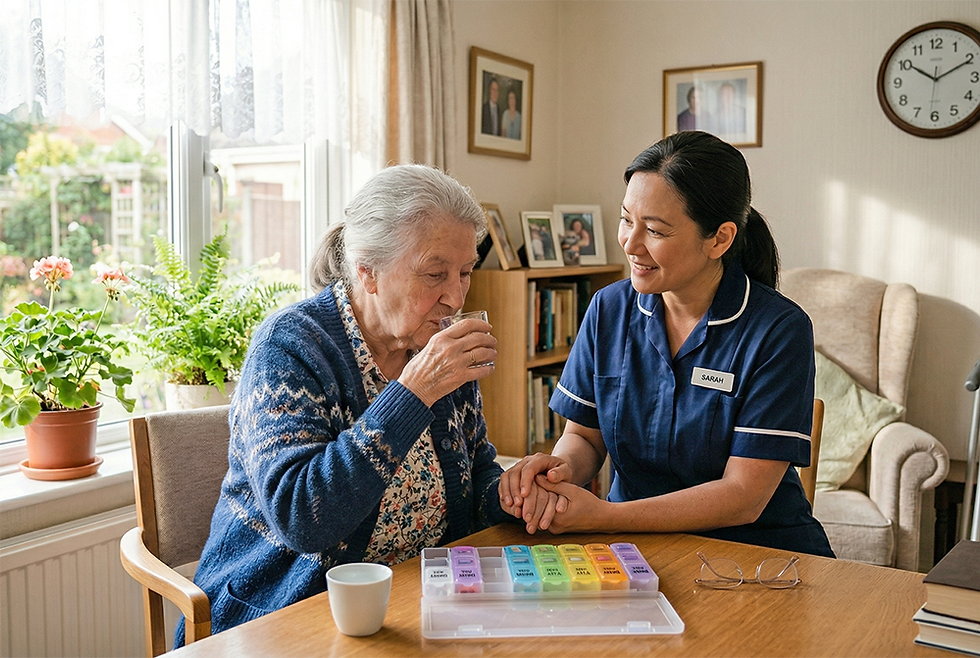
Medication management
Nutrition and hydration support
Bathing and toileting assistance
Dressing and grooming
Mobility and transfers
Rehabilitation and Therapy
Our multidisciplinary team—including Physiotherapists (PT), Occupational Therapists (OT), and rehabilitation aides—supports:
Mobility and balance
Muscle strength and coordination
Fall prevention and physical health
Emotional and Social Support
Support groups and counselling
Peer interaction and community engagement
Structured activity programmes
Respite and Short-Term Care Options
Families can benefit from:
Respite care for elderly
Short term respite care for temporary support
Respite care services Singapore for flexible caregiving solutions
These services provide caregivers with essential rest while ensuring seniors receive professional care in a safe environment.
Caregiver Education
We equip caregivers with skills to:
Communicate effectively with dementia patients
Manage behavioural changes calmly
Provide structured and compassionate care
Tips for Families Caring for Loved Ones with Dementia
While dementia cannot always be prevented, families can support overall wellbeing by encouraging:
Social engagement
Mental stimulation
Healthy eating
Regular physical activity
Do's
Establish a consistent daily routine
Promote physical and mental activities
Show patience, empathy, and kindness
Dont's
Avoid confrontation or arguments
Do not belittle or correct harshly
Avoid taking behaviours personally
Do not introduce frequent changes to routines
Consistency is key in effective dementia care and support.
When to Consider Professional Elderly Care
As dementia progresses, professional care may become necessary. Warning signs include:
Increased risk of falls or wandering
Missed medications or poor nutrition
Difficulty managing daily activities
Caregiver stress or burnout
At this stage, transitioning to a respite care nursing home or engaging respite care services can ensure safety and continuity of care.
Why Choose Precious Nursing Homes for Dementia Care and Support
At Precious Homes, we go beyond basic care to enhance quality of life through meaningful engagement and structured routines.
Cognitive and Engagement Activities
Memory games and puzzles
Reminiscence therapy sessions
Cognitive Stimulation Therapy (CST)
Word games and object recognition
Therapeutic Activities
Music and art therapy
Aromatherapy
Namaste therapy (gentle touch and relaxation)
Pet therapy and social interaction
Lifestyle and Recreational Activities
Gardening and outdoor walks
Movie sessions
Group activities to promote social bonding
Structured Routine and Orientation Support
Use of clocks, calendars, and labels
Consistent daily schedules
Familiar environments to reduce confusion
Physical Exercise and Rehabilitation
Exercise programmes led by trained therapists help:
Improve mobility and strength
Enhance mood through endorphin release
Reduce anxiety and agitation
Encourage social interaction and emotional bonding
Conclusion
Dementia care is not just about managing symptoms—it is about providing dignity, structure, and compassionate support. Through professional dementia care and support, structured routines, and engaging activities, seniors can continue to live meaningful and fulfilling lives.
Whether through full-time care or short term respite care, families can rely on respite care services Singapore to ensure their loved ones receive the highest standard of care while maintaining their own wellbeing.
At Precious Homes, we care—because every moment matters.
References:
Prevalence of Dementia in Singapore: Changes across a decade (2025).
Dementia in Numbers: Local and global statistics (2023).
World Health Organisation. Dementia Key Facts (2023).


Comments